Ceramic Coating vs PPF: The Complete Protection Guide
Chemical vs Physical Protection
Ceramic coating and PPF solve different problems. Understanding the distinction helps you make the right investment for your vehicle and driving conditions.
Ceramic Coating: The Chemical Shield
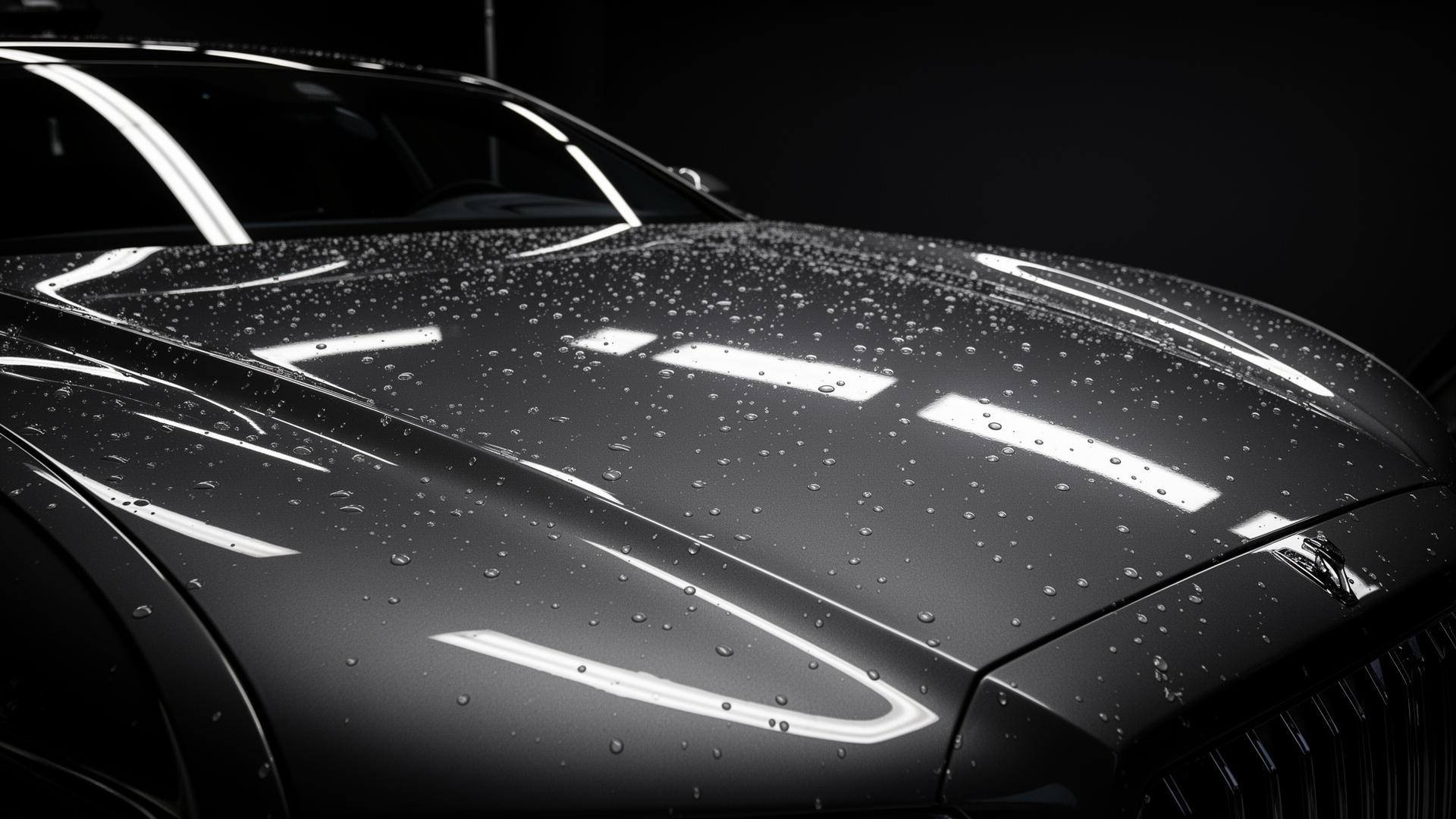
Ceramic coating creates a semi-permanent chemical bond with your paint, providing hydrophobic properties (water beading), UV protection, chemical resistance, and enhanced gloss. It makes maintenance dramatically easier — dirt and contaminants slide off the slick surface.
Professional-grade coatings last 1–7 years in Ontario conditions, making them excellent value for daily drivers and enthusiasts alike.
Paint Protection Film: The Physical Barrier
PPF is a transparent urethane film that physically absorbs impacts. Rock chips, road debris, bug splatter, and minor scratches are absorbed by the film instead of your paint. Premium PPF is self-healing — light scratches disappear with heat exposure.
When to Combine Both
The ultimate protection strategy combines ceramic coating across the full body with PPF on high-impact zones (hood, bumper, fenders, mirrors). The ceramic coating goes over the PPF, giving you both physical and chemical protection with the easiest possible maintenance.
Our Recommendation for Ontario Drivers
For vehicles regularly driven on Ontario highways, we recommend at minimum ceramic coating plus front-end PPF. Road salt, gravel, and temperature extremes make this combination the smart choice for preserving your vehicle's value.